
AI at the Core: Moving from Assistive to Agentic PPM
For years, AI within the Microsoft ecosystem operated like a helpful digital assistant – a Copilot tucked away in a side panel to help you draft an email or summarize a document. Today, we are witnessing a fundamental architectural shift. Microsoft has moved from passive, assistive features to autonomous agentic workflows, placing AI directly at the core of the Project and Portfolio Management (PPM) experience.
AI has graduated from a tactical drafting tool to a goal-driven collaborator. Instead of just waiting for prompts, agentic AI understands context, anticipates needs, and executes multi-step workflows. By automating the heavy lifting of data reconciliation and complex reporting, it transforms PMs from administrative coordinators into strategic directors.
The New Day-to-Day for Project Professionals
The fundamental nature of project management is shifting from manual execution toward the strategic direction and validation of intelligent systems. With Microsoft Copilot and AI agents integrated into tools like the new Microsoft Planner, daily operations are becoming highly automated and data-driven.
Here is how agentic AI is actively reshaping the PPM lifecycle:
- Autonomous Tracking & Risk Mitigation: Instead of just tracking tasks, AI agents actively update timelines based on real-time progress and proactively flag resource conflicts or schedule risks before they impact your baseline.
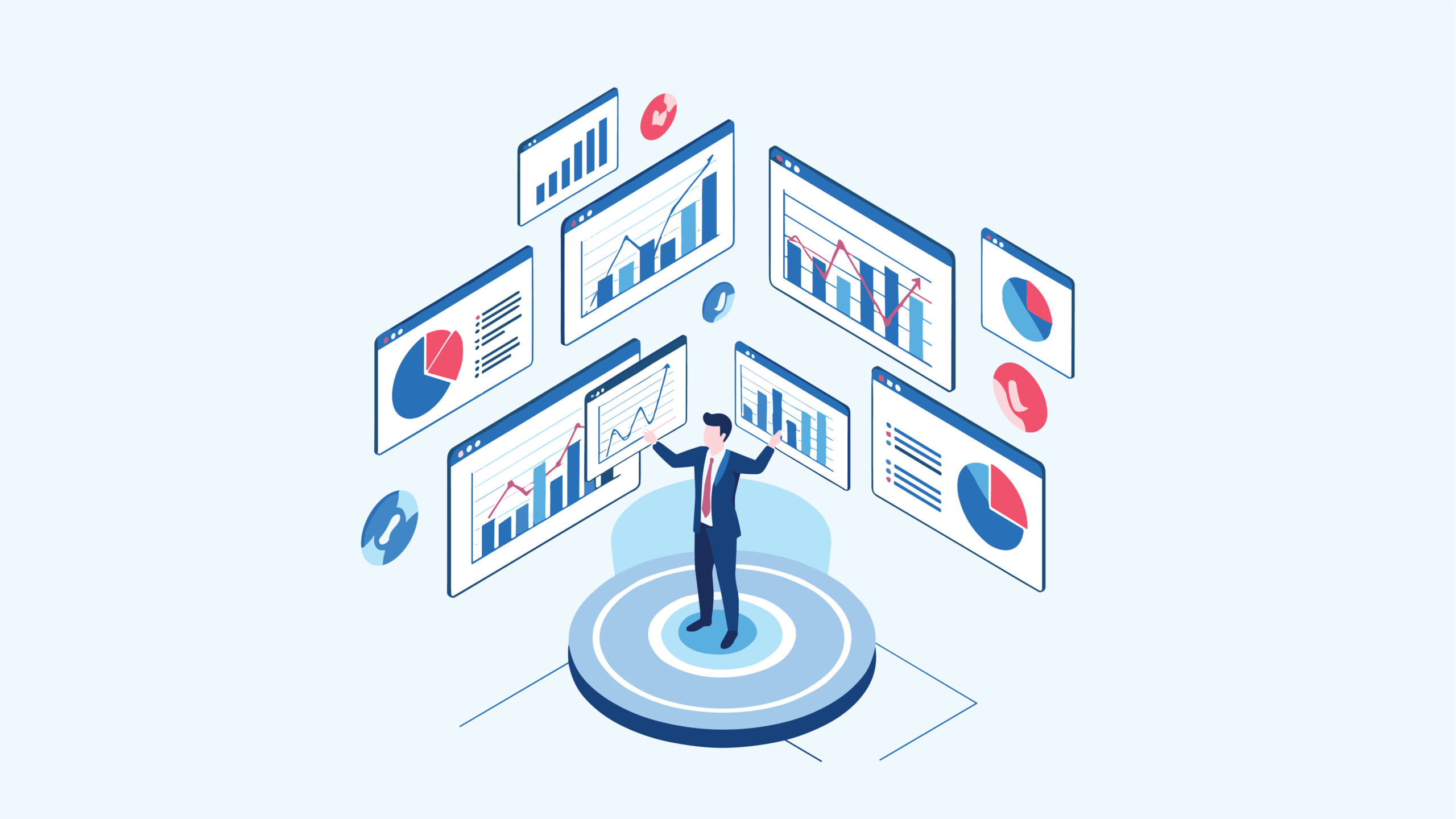
- High-Fidelity Reporting: Status reports no longer require hours of manual data aggregation. Agents synthesize cross-project data to generate accurate, executive-ready insights instantly.
- Cross-Suite Synchronization: The intelligence extends seamlessly across your entire workspace. Copilot in Teams transforms complex alignment meetings into structured action items, while Copilot in Excel analyzes massive portfolio datasets to forecast critical outcomes and trends.
This shift empowers project professionals to step away from administrative overhead and focus their energy where it matters most: high-value decision-making, stakeholder alignment, and strategic execution.
How to Prepare Your Team: 3 Actionable Steps
Transitioning to an agentic workflow requires more than just turning on a license. To successfully harness these autonomous innovations, consider these immediate next steps:
- Assess Your Data Foundation: Agentic AI is only as good as the data it accesses. Ensure your project data architectures, naming conventions, and repositories are clean and centralized.
- Define Guardrails and Governance: Establish clear rules for AI autonomy. Determine which workflows can be fully automated (e.g., draft status reporting) and which require mandatory human-in-the-loop validation (e.g., rebaselining a project timeline).
- Upskill for “Prompt to Review” Workflows: Train your team to shift their mindset from doing the work to directing and reviewing the work. The critical skill set is changing from data entry to strategic prompt engineering and data validation.
Lead the Transition with PPM Works
As the Microsoft ecosystem continues to evolve toward an agentic future, navigating the balance between automation and governance is critical. PPM Works is here to help you build the practical strategy, governance frameworks, and training plans needed to lead this transition smoothly.
Connect with the PPM Works team today to learn how we can help you integrate autonomous AI innovations into your existing PMO framework.